


A lump in the breast is often the first sign remembered when talking about breast cancer, but the disease can present in other ways — such as skin changes, nipple alterations, or spontaneous discharge. Recognising these changes and understanding the difference between investigating symptoms and screening are important steps toward earlier diagnosis.
Breast cancer statistics
Excluding non-melanoma skin tumours, breast cancer is the most common cancer among women in Brazil. For the 2026-2028 period, the National Cancer Institute (INCA) estimates 78,610 new cases per year in the country.
Globally, 20.6 million new cancer cases were estimated in 2024, according to Globocan. By 2050, this number could reach 34.4 million — a 67% increase. Breast cancer ranks second among the most frequent cancers, accounting for 11.8% of new diagnoses, behind only lung cancer.
What are the signs of breast cancer?
A lump is the most common symptom. It deserves attention when it has a hard consistency, is fixed, or increases in size — but it is not the only clue.
Other signs include:
Skin with an orange-peel appearance
Skin or nipple retraction
Change in nipple shape
Spontaneous nipple discharge, especially if bloody
Progressive increase in breast size
Hard lumps in the armpits or neck
These changes do not necessarily mean cancer, but they need to be investigated. An important point: do not wait for pain. Breast cancer can cause few symptoms early on, and lumps are often painless. Any persistent change or deviation from the usual breast pattern deserves attention.
When does screening start in the public health system?
The Ministry of Health recommends screening mammograms for women aged 50 to 74, every two years. This is the priority age group for population screening based on available evidence on mortality reduction.
Women aged 40 to 49 and over 74, without suspicious signs or symptoms, also have access to mammograms — on demand, provided they receive professional guidance on potential benefits and risks.
Women at high risk — with a strong family history, genetic mutations associated with breast cancer, or a personal history of the disease — should begin routine screening at age 30. Anyone who notices a lump or other change should seek care regardless of age.
Self-examination
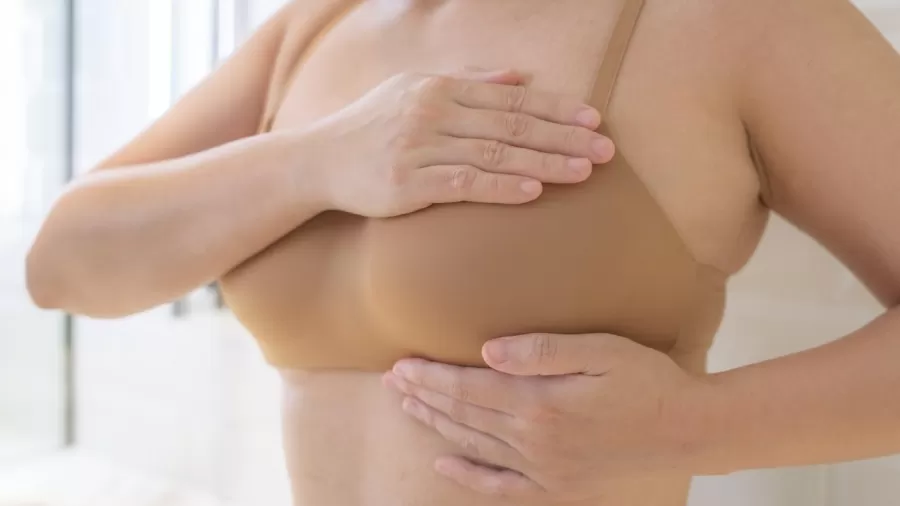
Self-examination is no longer recommended as a standalone screening strategy. Studies have not shown a reduction in mortality with its systematic use. However, this does not mean ignoring your own breasts. The current recommendation values self-awareness — allowing you to notice changes outside your usual pattern.
If a lump, skin change, nipple retraction, or spontaneous discharge appears, seek medical evaluation.
Key takeaway
Mammography remains the main population screening tool. Recognising signs helps identify suspicious cases outside routine exams. These are different but complementary strategies for early detection of breast cancer.
Advertisement
Advertisement
 Promover
 Popular
Advertisement


